
How to Sell Estate Gold: A Practical Guide to Getting the Best Value
October 21, 2025
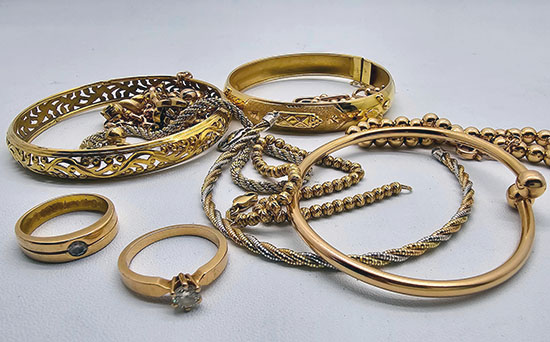
Selling estate gold jewelry is a common executor responsibility, but knowing how to do it wisely is part of handling the estate carefully. Selling estate gold may be part of an executor’s fiduciary responsibility when the estate needs to divide value among beneficiaries, pay debts, or document fair market value.
Because estate gold can include jewelry, coins, bullion, scrap gold, and sentimental family pieces, executors should take time to understand what they have before accepting an offer.
1. Identify What You Have
Start by identifying the type of gold or gold-related property in the estate. Gold items generally fall into several categories:
- Jewelry: Rings, necklaces, bracelets, watches, pins, and other personal pieces, whether antique, modern, designer, damaged, or broken.
- Coins and bullion: Government-issued coins, bullion coins, and investment bars. These are often valued by gold content, purity, and market premium, though some coins may also carry collector or numismatic value.
- Scrap gold: Broken chains, single earrings, damaged settings, loose components, and other gold pieces that may be valued primarily by weight and purity.
- Dental gold: Even small amounts of dental gold may have value based on gold content, weight, and purity.
Look for karat markings such as 10K, 14K, 18K, or 24K. These markings indicate gold purity. If markings are missing, worn, or unclear, a reputable buyer or qualified jewelry professional can test the item using appropriate testing methods.
Executors should be especially careful with signed jewelry, antique jewelry, designer pieces, gemstone-set jewelry, and unusual coins. These items may be worth more than their melt value. Before selling them as scrap, consider whether an appraisal or estate jewelry evaluation is appropriate.
2. Know the Current Gold Price
Gold prices fluctuate daily based on the global market. Before selling, check the current gold “spot price.” The spot price reflects the market price of gold, usually quoted per troy ounce. A troy ounce is approximately 31.1 grams.
Websites such as Kitco, JM Bullion, or GoldPrice.org post current gold prices. This information can help an executor understand the market before comparing offers.
Most gold buyers do not pay the full spot price for jewelry or scrap gold. Offers are typically based on the item’s weight, purity, condition, form, resale potential, refining cost, and the buyer’s margin. Jewelry usually sells for less than pure bullion by weight, while designer jewelry, antique jewelry, and collectible coins may justify a different valuation approach.
3. Get Multiple Offers

Do not sell estate gold to the first buyer without comparison. Executors should try to obtain at least two or three offers, especially if the estate includes substantial gold, fine jewelry, or collectible coins.
Common selling options include:
- Local jewelers: Some jewelers may recognize value beyond melt value, especially for signed, designer, antique, or gemstone-set pieces.
- Estate jewelry buyers: These buyers may be helpful when items have craftsmanship, age, designer value, or resale potential beyond gold weight.
- Gold buying stores: These businesses often provide quick offers based mainly on weight and purity.
- Online gold buyers: These can be convenient, but executors should review the company’s reputation, insurance, return policy, and written offer process before shipping anything.
- Pawn shops: Pawn shops may be useful for fast transactions, though offers may be lower than other sale methods.
- Auction or consignment: For rare jewelry, signed pieces, important gemstones, or collectible coins, auction or consignment may produce better results than a melt-value sale.
For estate administration purposes, keep written records of each offer. Documentation can help show that the executor acted prudently and compared reasonable sale options.
4. Understand How the Offer Is Calculated
A legitimate gold buyer should weigh the items in front of you, explain the purity, identify the unit of measurement, and describe how the offer was calculated based on the day’s market rate.
Gold may be weighed in grams, pennyweights, or troy ounces. Make sure all offers are converted to the same unit before comparing them. One pennyweight, often abbreviated as dwt, equals approximately 1.555 grams.
Ask the buyer to explain:
- the item’s total weight;
- the karat or purity used in the calculation;
- the estimated pure gold content;
- the current gold price used;
- the percentage of melt value being offered;
- whether gemstones, designer value, or collectible value are included or excluded from the offer.
For example, 14K gold is not pure gold. It contains gold plus other alloy metals. To estimate gold value, the buyer must account for the item’s weight and the percentage of pure gold contained in the item.
5. Avoid Common Mistakes
- Do not aggressively clean or polish estate jewelry before evaluation. Improper cleaning can damage antique, signed, plated, delicate, or gemstone-set pieces.
- Do not assume every gold item should be sold for scrap. Some pieces may have resale, designer, antique, collector, or family value beyond gold content.
- Do not compare offers without converting the units. Grams, pennyweights, and troy ounces can make offers difficult to compare unless converted consistently.
- Be careful with mail-in gold offers. Before shipping, confirm insurance, tracking, written procedures, return rights, acceptance deadlines, and how rejected offers are handled.
- Check reputation and credentials. Look for required state or local licensing where applicable, clear written policies, strong reviews, transparent weighing and testing practices, and jewelry, gemology, appraisal, or precious-metals experience.
- Keep estate records. Save appraisals, written offers, sale receipts, buyer information, shipping records, and beneficiary communications.
6. Choose the Right Time to Sell Gold
Gold prices move with the economy and may rise during periods of inflation, market uncertainty, or increased demand. If the estate is not under time pressure, monitoring gold prices may help the executor choose a favorable time to sell.
However, executors should be careful about delaying estate administration solely to speculate on gold prices. Estate deadlines, creditor claims, taxes, beneficiary expectations, court requirements, and overall administration needs may matter more than trying to time the market perfectly.
7. Consider Beneficiary Communication
Gold jewelry can carry emotional value as well as financial value. Before selling sentimental pieces, executors should review the will, confirm whether any items are specifically gifted, and consider whether beneficiaries should be notified before liquidation.
When family members disagree about jewelry or personal property, a documented process can help. This may include photographing items, obtaining an appraisal or written offer, allowing beneficiaries to review sentimental pieces, and keeping clear records of sale proceeds.
Final Thoughts on Selling Estate Gold
Selling gold from an estate is both a financial and emotional decision. The executor’s goal is not simply to get quick cash, but to handle estate property responsibly, document the process, and obtain fair value under the circumstances.
Before selling, identify what you have, check the current gold price, compare multiple offers, understand how each offer is calculated, and keep records for the estate file. With preparation and trusted buyers, executors can sell estate gold with greater confidence and transparency.