
How Executors and Heirs Can Decide Whether Repairs, Renovations, or a Fast As-Is Sale Make the Most Sense
When a loved one passes away and leaves behind a home, one of the biggest questions facing the executor and family is simple to ask but difficult to answer: Should we fix the house up before selling it, or sell it as-is?
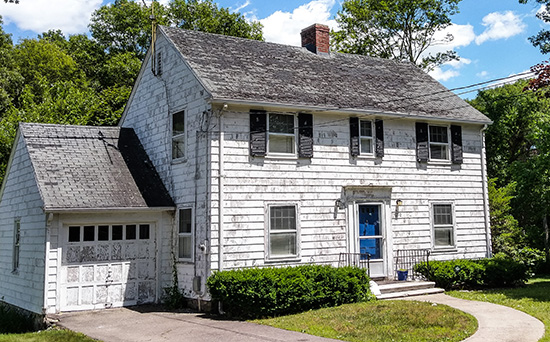
It is a common probate dilemma. On one hand, family members naturally want to maximize value. On the other, the house may need significant work, the estate may have limited funds, and the heirs may already be stretched emotionally, financially, and logistically.
Alan Trauger, a Longwood, Florida-based Realtor, investor, and Certified Real Estate Probate Specialist, has handled hundreds of estate and probate transactions. As Trauger points out, many probate properties come with years of deferred maintenance, and most families—especially those living out of the area—do not want to take on a major remodeling project during estate administration. In many probate cases, kitchens and baths are outdated, flooring needs replacement, and roofing, windows, doors, or mechanical systems may be old or failing. At that point, the decision is no longer just about price. It becomes a question of time, stress, cash flow, risk, and family harmony.
Key Distinction: Light Refreshing vs. Major Renovation
One of Mr. Trauger’s most practical observations is that not all repair decisions are the same. There is a major difference between what drives light cosmetic improvements and a true renovation project.
Cosmetic work that can be done quickly and economically is one thing. A full-scale effort to cure deferred maintenance, update kitchens and baths, replace flooring, and tackle windows, doors, roofing, or major systems is something else entirely. For most families, especially those managing probate from out of the area, that level of remodeling is more burden than opportunity.
That distinction matters because families can easily slide from “getting the home ready” into taking on a much larger project than they intended.
The Big Mistake: Assuming More Renovation Always Means More Profit
This is where many executors and heirs get stuck. The thinking is understandable: If we put money into the home, we will get more when we sell it.
Sometimes that works. Often, it does not.
The broader remodeling market supports Trauger’s practical point. According to the 2025 Cost vs. Value Report from the Journal of Light Construction, smaller, targeted projects often outperform major renovations when measured by resale recovery. National averages in the report show that garage door replacement recouped 268% of cost, steel entry door replacement 216%, manufactured stone veneer 208%, fiber-cement siding replacement 114%, and a minor midrange kitchen remodel 113%.
By contrast, larger projects performed much worse. Basement remodels recouped 71%, universal-design bath remodels 61%, major midrange kitchen remodels 51%, and upscale bath remodels 42%.
That is a critical lesson for probate sales. Just because a renovation is expensive does not mean it will produce a proportional increase in net proceeds. In fact, some of the biggest-ticket projects deliver some of the weakest resale recovery.
Why Probate Is Usually the Wrong Time to Experiment with a Fix-and-Flip
Bill Gross, Host of Probate Weekly and LA-based Certified Probate Expert, makes a related point: probate may not be the best time for a family to experiment with the fix-and-flip business.
There is a learning curve to any renovation project. Contractors have to be hired and managed. Budgets have to be monitored. Delays happen. Surprises behind walls are common. Permits can complicate timelines. Materials cost money. Decisions pile up quickly.
Now add the realities of estate administration: probate filings, deadlines, paperwork, family communication, legal responsibilities, and grief. For many families, this is not the ideal moment to start a new real estate investment venture.
Gross’s point is especially useful here: even if heirs are interested in real estate investing, it may be wiser to use inherited funds later on a separate project rather than trying to learn the fix-and-flip business inside the already complicated setting of an estate.
Carrying Costs Can Quietly Erase the Expected Gain
Another reason Trauger’s caution matters is the issue of carrying costs.
Every extra month the property is held comes with ongoing expenses. Taxes, insurance, utilities, lawn care, pool care, HOA fees where applicable, maintenance, and oversight continue whether the house is occupied or not. Those costs add up quickly.
The longer the project drags on, the more the estate spends just to stand still. Even when heirs are patient, delays can create second-guessing and tension. If there are multiple beneficiaries, disagreements over budget, quality of work, pricing, or timing can turn a straightforward administration into a family stress point.
What looks profitable in theory may become far less attractive once months of holding costs and project complications are added to the equation.
What Repairs Actually Make Sense Before Selling?
In many probate situations, the best answer is a middle-ground strategy.
Instead of asking, How much can we renovate? the better question is: What is the minimum work needed to improve safety, financing eligibility, and first impressions?
That often starts with simply freshening the house. Cleanliness matters, but so does smell. Musty odors, pet odors, smoke, mildew, and stale air can immediately turn buyers off, even before they begin noticing the home’s other features. Deep cleaning, odor removal, carpet cleaning where appropriate, and improving airflow can make a meaningful difference in how the property feels.
It also helps to think hard about curb appeal. Roll up to the house like a buyer would and ask yourself: What do I notice first? Better yet, ask others to do the same. Overgrown landscaping, peeling paint, dirty windows, a tired front door, old house numbers, or a cluttered entry can all shape a buyer’s impression before they ever walk inside. Small exterior improvements are often more manageable and more cost-effective than major interior renovations.
That might include:
- removing trash and clutter
- deep cleaning
- odor removal and general freshening
- basic landscaping
- paint touchups
- improving curb appeal at the entry
- minor handyman repairs
- addressing obvious safety hazards
- correcting issues that could interfere with buyer financing
That usually does not mean taking on a luxury bath remodel, a full kitchen overhaul, or a broad modernization project simply because the finishes feel dated.
This is very much in line with Trauger’s point: quick cosmetic improvements are one thing, but major remodeling during probate is another matter altogether.
When Selling As-Is May Be the Smarter Choice
Selling as-is often makes the most sense when:
- the home needs major deferred maintenance
- the estate does not have cash readily available for repairs
- the executor or heirs live out of the area
- there are multiple heirs and decision-making could become difficult
- speed and simplicity matter more than squeezing out a possible extra dollar
- carrying costs are significant
- the family wants to reduce stress and administrative burden
An as-is sale does not always produce the highest theoretical price. But it may produce the best net outcome once time, risk, family strain, and ongoing expenses are factored in.
Questions Executors and Heirs Should Ask Before Renovating
Before spending estate money on updates, executors and heirs should ask:
Are the needed repairs cosmetic or major?
Fresh paint and cleanup are one thing. Roofing, HVAC, plumbing, electrical, windows, and structural concerns are another.
Does the estate have funds for repairs?
If the work requires substantial cash outlay, the family should be realistic about whether the likely return justifies the spend.
How expensive is it to hold the house?
Monthly carrying costs can change the math quickly.
Do the heirs agree?
Even a potentially profitable plan can become a bad plan if it creates conflict or delay.
Is the extra value worth the added time and hassle?
That is the real question. Not, Could we get more? but, Will we truly come out ahead?
Take a Hard Look at the Math, the Situation, and the Timing
Alan Trauger’s broader point is that executors and heirs need to be realistic about the work involved, the costs of delay, and the burden a renovation project can place on a family already navigating probate.
The executor’s job is not to become a contractor, house flipper, or project manager unless that path truly serves the estate. In many cases, the better strategy is not a full remodel, but a limited cleanup and repair plan followed by realistic pricing and an efficient sale.
Before spending estate money on renovations, families should step back and evaluate the full picture: the likely return, the carrying costs, the condition of the home, the family’s ability to manage a project, and the time pressure surrounding the estate. What looks profitable at first glance may be far less attractive once delays, contractor issues, monthly expenses, and heir dynamics are factored in.
The smartest decision is usually the one that balances math, situation, and timing. A knowledgeable real estate professional, realistic contractor estimates, and an honest assessment of the home’s condition can help executors and heirs choose the path that makes the most sense for both the property and the family.
This article refers to real property that is still in probate and under estate administration. In that context, the house or other real property remains an asset of an open estate, and its disposition is subject to the probate process.
By contrast, “inherited property” is typically post-probate: the estate has been closed, the property has been distributed to an heir or beneficiary, and ownership and control have passed to that individual.
Sources
Market support: Journal of Light Construction, 2025 Cost vs. Value Report, comparing job cost, resale value, and cost recouped for 28 remodeling projects across 119 U.S. markets.
Alan Trauger, Florida Licensed Real Estate Broker, Consensus Realty; A Decision Guide for Executors and Families, March 2026
Contributors
Alan Trauger

Alan Trauger is a Longwood, Florida real estate broker, Realtor, small business owner, and Certified Real Estate Probate Specialist with more than four decades of experience in real estate, construction, development, and asset management. As Principal of Consensus Realty Solutions, he brings deep expertise in helping clients navigate complex real estate matters with practical, results-driven guidance. Alan specializes in working with probate properties, understanding that the probate process can be both emotional and financially challenging for families. His goal is to provide viable solutions that meet each family’s unique needs with professionalism, compassion, and clarity. With extensive experience in sales, leasing, property management, consulting, and distressed real estate, Alan is known for combining technical knowledge with thoughtful service to help clients make informed decisions during difficult transitions.
Bill Gross

Bill Gross is a Los Angeles probate real estate specialist with more than 30 years of experience and thousands of closed transactions across Southern California. Licensed with eXp Realty and recognized as a Certified Probate Expert (CPE), he helps California attorneys, estate representatives, real estate agents, and investors navigate complex probate property sales with precision, efficiency, and regulatory compliance. His expertise includes property valuations, court-compliant marketing, and streamlined closings for estates throughout Los Angeles County.
Bill is the host of the Probate Weekly podcast and is well known for his understanding of the intersection between probate real estate and estate service providers of all kinds. Born in Santa Monica and raised in Orange County, he has lived throughout Southern California and brings strong regional insight to every transaction.