

For families, a Legacy Book Project can be a meaningful way to preserve the story of a loved one while also creating something lasting for future generations. A Legacy Book is a self-published volume that gathers the memories, photographs, milestones, and personal details that made someone’s life unique. It may focus on one person, such as a parent or grandparent, or it may reflect a larger family story across generations. More than a photo album and more personal than a formal family record, a Legacy Book becomes a way to hold onto a life, a voice, and a legacy.
Why Families Often Begin the Project After a Loss
When a loved one is still living, a Legacy Book can be built through interviews, shared stories, and direct collaboration. But when that is no longer possible after a death, the project can still be deeply meaningful. In many ways, it becomes even more important. Family and friends can come together to gather photographs, letters, memories, stories, and keepsakes that reflect the person’s life and character.
This kind of project can also be healing. In the midst of grief, families are often looking for a way to do something loving and constructive. A Legacy Book offers that opportunity. It allows people to remember not only the sadness of loss, but also the joy of a life, the warmth of shared experiences, the humor, the traditions, and the values that remain.
That said, there is much to do when someone passes. Likewise, the aftermath of a loss are likely emotional and demanding. A legacy book makes sense as a longer term effort, probably best saved for after the more pressing matters which can take time. Further, the process of estate settlement will likely provide rich fodder for the project.
Think long term as you go through boxes and cabinets and things and inevitably remember. Be gentle with your expectations, and timeframe – it will help you build a better book.
Practical Requirements of the Project
Although a Legacy Book is deeply personal, it benefits from some structure and planning. In many cases, the project may be handled alongside other family legacy tasks, especially photo organization. Since photographs are often central to the finished book, it helps to sort, scan, label, and group them early in the process. Only selected photos may ultimately be used, but strong representative images are needed to tell the story well.
Remembrances from friends and extended family should also be gathered as early as possible. These may be invited informally at a repast or mentioned during a funeral or memorial service as a way to encourage written follow-up. A simple request for stories, favorite sayings, meaningful moments, or memorable traits can bring forward recollections that might otherwise be forgotten.
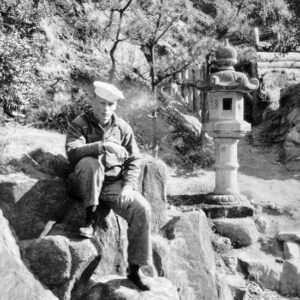
Close family members may also want to write brief vignettes based on stories the loved one told over the years or moments they personally remember. These do not need to be long. Often, a short paragraph about a family tradition, a favorite expression, a lesson often repeated, or a moment everyone still laughs about can become one of the most treasured parts of the book.
It also helps for one or two family members to guide the project and provide a sense of direction. One of the first helpful steps is drafting a timeline of major milestones to serve as the project’s foundation. This may include birth, schooling, marriage, children, career history, military service, relocations, community involvement, retirement, and major family events. A working timeline helps place stories, photographs, and documents in context.
If letters, cards, journals, emails, or other correspondence are available, those materials should be reviewed carefully. They can provide both factual detail and emotional texture, and they offer a valuable chance to include the person’s own words in the finished book.
Key Elements for a Remembrance Book
A remembrance-focused Legacy Book becomes stronger when it includes a thoughtful mix of visuals, written reflections, and personal artifacts.
Photographs: Curated photographs from childhood through adulthood should form a visual backbone for the book. These may include portraits, candid family shots, holidays, celebrations, travel, work life, and everyday moments.
Written Memories: Specific stories from friends and family give the book warmth and personality. The strongest contributions usually focus on moments that were meaningful, funny, tender, or revealing.
Quotes and Poetry: Favorite sayings, personal mantras, scripture passages, or poems can help reflect the person’s character, values, and outlook on life.
Life Milestones and Stories: A short biography or timeline can provide structure and help readers understand the arc of the person’s life, their achievements, and the lessons they passed on.
Condolence Messages: Excerpts from funeral programs, sympathy cards, online memorials, or tribute messages can show how widely the person was loved and respected.
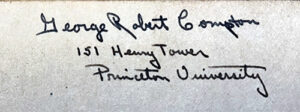
Personal Mementos: Scanned copies of handwritten notes, ticket stubs, certificates, awards, recipes, report cards, military papers, or other keepsakes can add intimacy and depth.
Interactive Prompts: Some books may include pages built around prompts such as “I will always remember the time when…” or “I will never forget how…” to encourage contributions from a wider circle of loved ones.
Common Themes and Structures
A Legacy Book does not have to follow one fixed format. One of the most common approaches is a chronological life story organized around childhood, adulthood, family life, work, and later years. Another meaningful format is a legacy or recipe book, combining favorite family recipes with photographs and stories about meals, holidays, and traditions the person helped shape.
Some books benefit from a dedicated “What They Taught Me” section, where children, grandchildren, relatives, and friends write short reflections about the wisdom, habits, values, and advice they continue to carry forward. Another simple but powerful feature is a “Ten Words” Tribute, in which family members each offer words that describe the person. Together, those words can create a moving portrait of character and legacy.
Actionable Next Steps for Families
A practical way to begin is to divide the project into manageable stages.
1. Choose one or two project leaders.
These family members can help gather materials, communicate with contributors, and keep the project moving.
Note to Executors: You may have enough on your plate. As the point person of the estate, you can be a vital project participant, a finder and collector of project contributions, but this project may be better left delegated to someone who isn’t occupied with a major task like estate settlement.
2. Build a master timeline.
Create a baseline chronology of major life milestones before writing begins.
3. Organize photos and documents.
Sort family photographs, scan originals, identify names and dates where possible, and set aside the strongest candidates for the book.
4. Collect remembrances.
Invite friends and relatives to contribute short written memories at the repast, through a memorial announcement, or by email afterward.
5. Assign family vignettes.
Ask close relatives to write short recollections based on family stories, personal memories, and lessons the loved one often shared.
6. Review letters and correspondence.
Pull quotations, anecdotes, and details that allow the person’s own voice to appear in the book.
7. Choose a theme and structure.
Decide whether the book will be chronological, recipe-centered, lesson-based, tribute-driven, or a blend of several approaches.
8. Choose a production path.
Decide whether the family will produce the book as a do-it-yourself project, using layout tools, or work with a memoir-focused guided service. Perhaps a professional memoir creator is the most appropriate route for your project.
Helpful Resources
Families who want a do-it-yourself route can use print-on-demand services such as Lulu or photo-book platforms such as Mixbook. These options can be especially helpful when the written material and photographs have already been gathered and the main need is compilation and printing.
Those who need help with layout and formatting may look to tools such as Canva/Affinity or Atticus, which can assist with organizing and presenting the material in a polished format.
For families who want more guidance from story collection through physical publication, memoir-focused services such as Storyworth, A Life Untold, and Memorygram may offer a more structured path. These services can be useful when the project needs support in drafting, organizing, and producing a finished keepsake book. Memorygram, for example, includes optional interview questions, but when a loved one has already passed, many families simply skip the prompts and use it as a flexible, collaborative space to write and preserve stories in their own way.
Into the Photo is a relatively new platform that allows do-it-yourselfers to capture a photo from a tablet or phone, and speak, type or write with a stylus, a note, description or story about each photo. The resulting photo journal outputs a PDF for digital use or published.
If this is to be a group project, several of the above platforms allow multiple users to collaborate on a project.
A practical reference for beginners is Lulu’s How to Create and Print a Book for Beginners, which can help families understand the basic stages of manuscript preparation, layout, cover design, and publication.
Working with a Professional Memoir Creator
Some families may prefer to work with a professional memoir creator rather than manage the full project themselves. This can be especially helpful when there are many stories, photos, and documents to organize, or when the family wants guidance shaping the material into a polished book.
Professionals such as Dawn Roode of Modern Heirloom Books and Clémence Scouten of Memoirs & More help families turn memories, interviews, and keepsakes into well-crafted legacy books. For families who want a more hands-on guide, this can be a practical way to move from collected materials to a finished heirloom.
Why the Project Matters
Taken together, these elements make the Legacy Book Project both practical and deeply meaningful. It is an organized effort involving timelines, photographs, remembrances, short family stories, and documentary research. Yet beyond those tasks, it is also an act of love. A Legacy Book helps preserve not only the facts of a life, but also the spirit of the person behind them.
While it may seem as if its a project for your lost loved one, it’s really for you, and yours.
6 Steps to Create and Print a Book for Beginners, LULU
Self Publishing Resources, LULU
When Personal Memorabilia Becomes Part of an Estate, Clémence R. Scouten, Memoirs & More
8 tips for creating your own tribute book in honor of a lost loved one, Dawn M. Roode, Modern Heirloom Books
The Photo Managers: Search for a Certified Photo Manager
Legacy Builder Tool
Executorium provides three simple, interview-style tools to help you begin a legacy project. Legacy Builder is a free Q&A form designed to draw out meaningful memories and details about a loved one’s life. The prompts range from basic facts, such as When and where were they born?, to reflective questions like What family traditions were important to them? Every question is optional, making it easy to answer only what you know or feel comfortable sharing. (Executorium does not retain any of the information or submission data)
Once submitted, Executorium emails you a copy of both the questions and your responses for your records. You can also cc someone else so they can see your responses and, if you choose, be invited to complete their own as well.